Issue 05 · Messages in public
Look where the message meets the day.
Wajirexoni is a field journal about what marketing becomes after it leaves the deck and enters a shop, street, inbox or conversation.
Observation desk
Turn a vague campaign question into a field note.
Choose the setting, tension and intended movement. The desk returns one observation, one competing interpretation and one action boundary.
STREET · ATTENTION · NOTICE
Observe what was visible before the campaign.
Map competing signs, movement and existing tasks before attributing attention to the new message.
- Competing reading
- Novelty may reflect placement rather than relevance.
- Boundary
- Do not call attention useful until a meaningful next step appears.

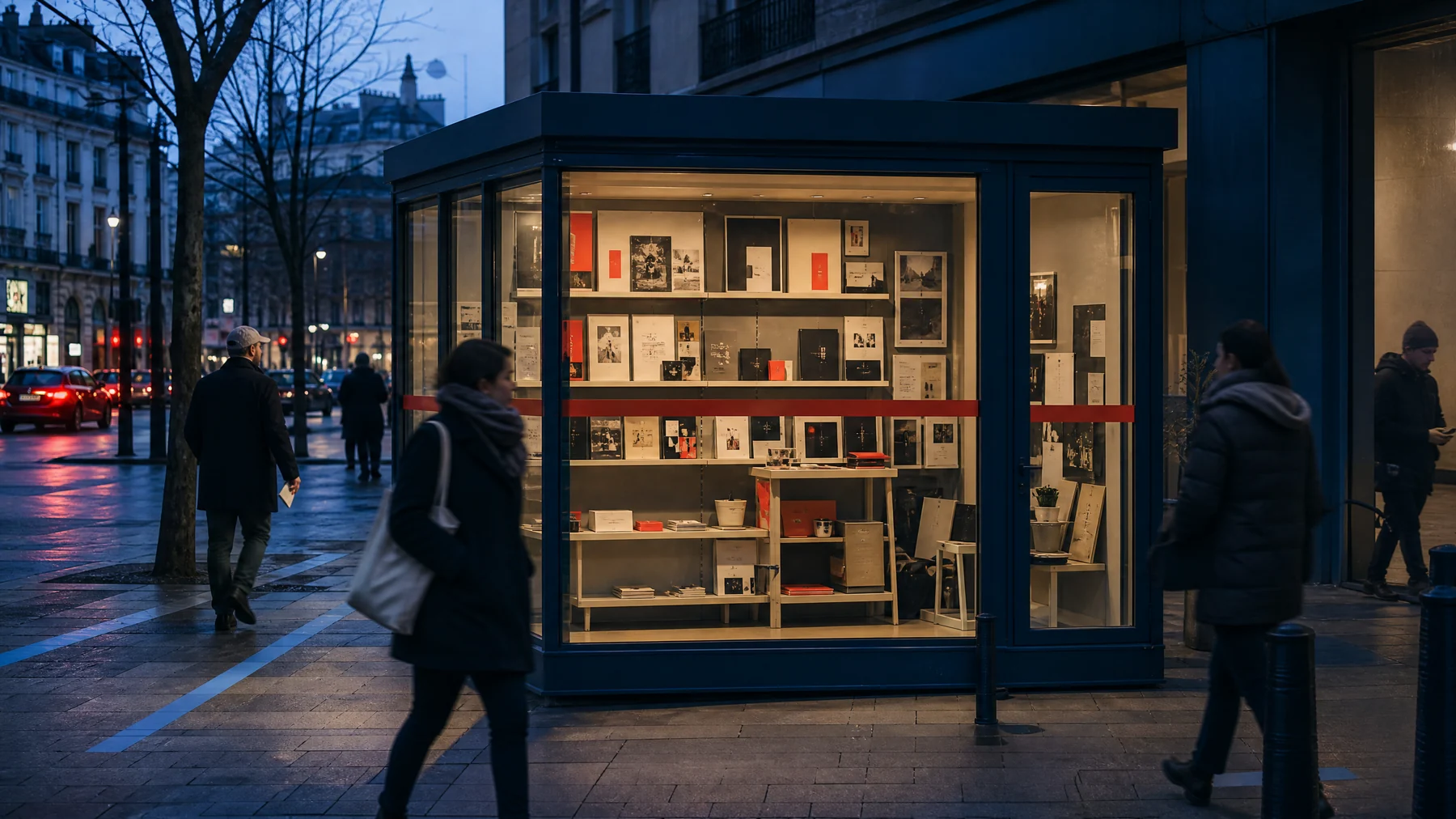
 Field report · Shop window
Street report
The sign is only one object in the scene.
A message competes with rain, traffic, memory, price, habit and the task that brought someone to the street. Good analysis records the scene before explaining the response.
What physical condition shaped visibility?
What was the person already trying to do?
Which other message shared the frame?
Issue lenses
Read the same scene three ways.
LENS 01
Surface: what can be understood at a glance?
Inspect hierarchy, contrast, material and the first available verb before discussing persuasion.
- Note the dominant object.
- Count competing messages.
- Record the first plausible action.
 Comparison plate · 06
Teardown wall
Separate the object from the story told about it.
Each teardown uses four clipped layers so a confident narrative cannot outrun what the campaign actually presented.
What the audience encountered.
Where and when it appeared.
What changed in behaviour.
What the evidence cannot prove.
Current dispatches
Field, teardown, decision.
Filter the issue by reading mode. A selected dispatch expands across the page so its image and argument remain substantial.

Teardown
The receipt is part of the brand voice.
Messages continue after purchase through paper, packaging, instructions and the ease of resolving a mistake.
Field
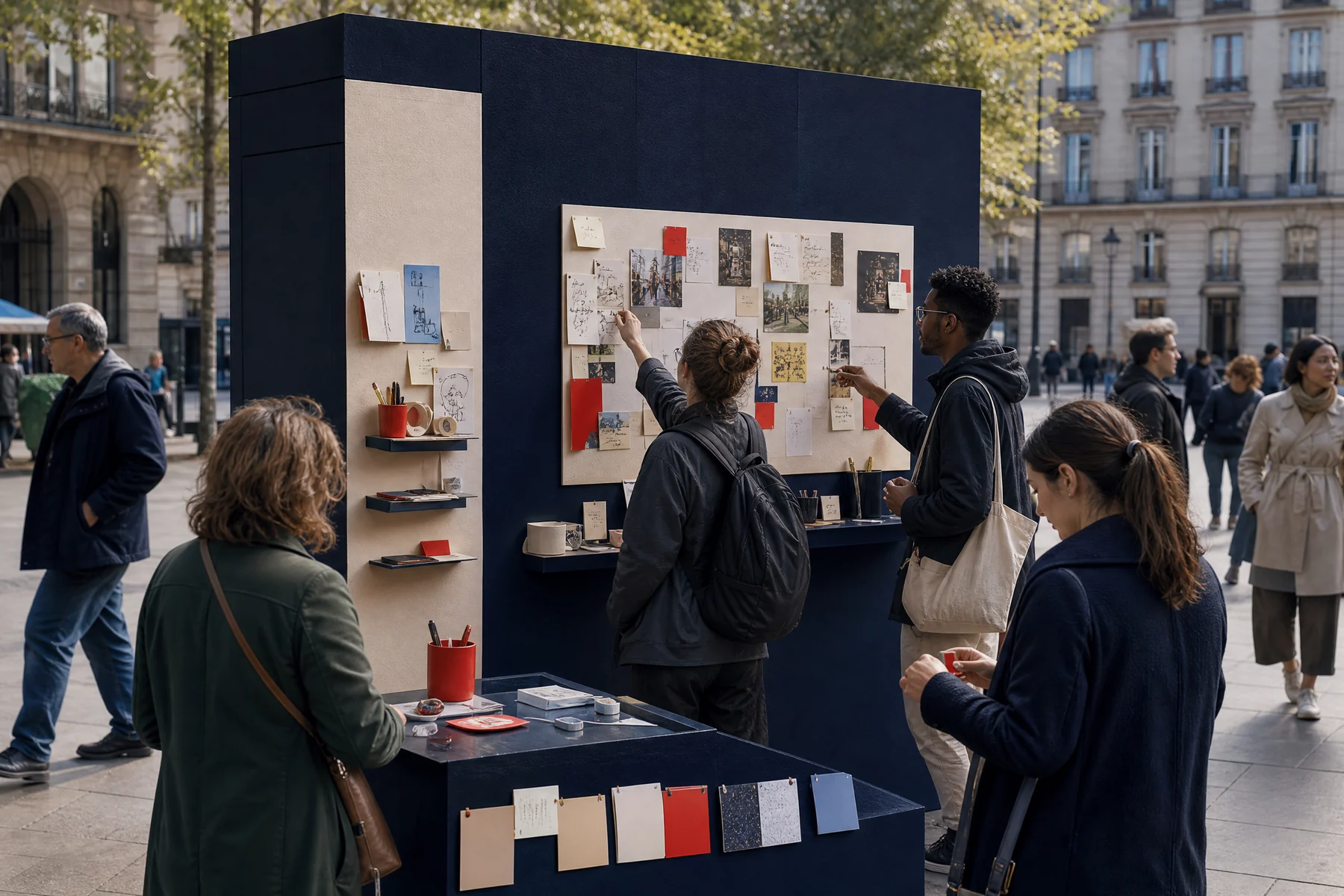
Participation changes the meaning of reach.
Record who stopped, what they did and what context made the interaction possible.
Decision
Keep one unresolved question in the final slide.
A decision is stronger when the remaining uncertainty is visible beside the recommendation.
Confidence is not the same as completeness.
Campaign sequence
Move from scene to decision.
Slide through five editorial stages. Each one names the evidence that should survive into the next discussion.
Scene
Record the environment without explaining it.
Capture place, task, neighbouring messages and timing before assigning intent.

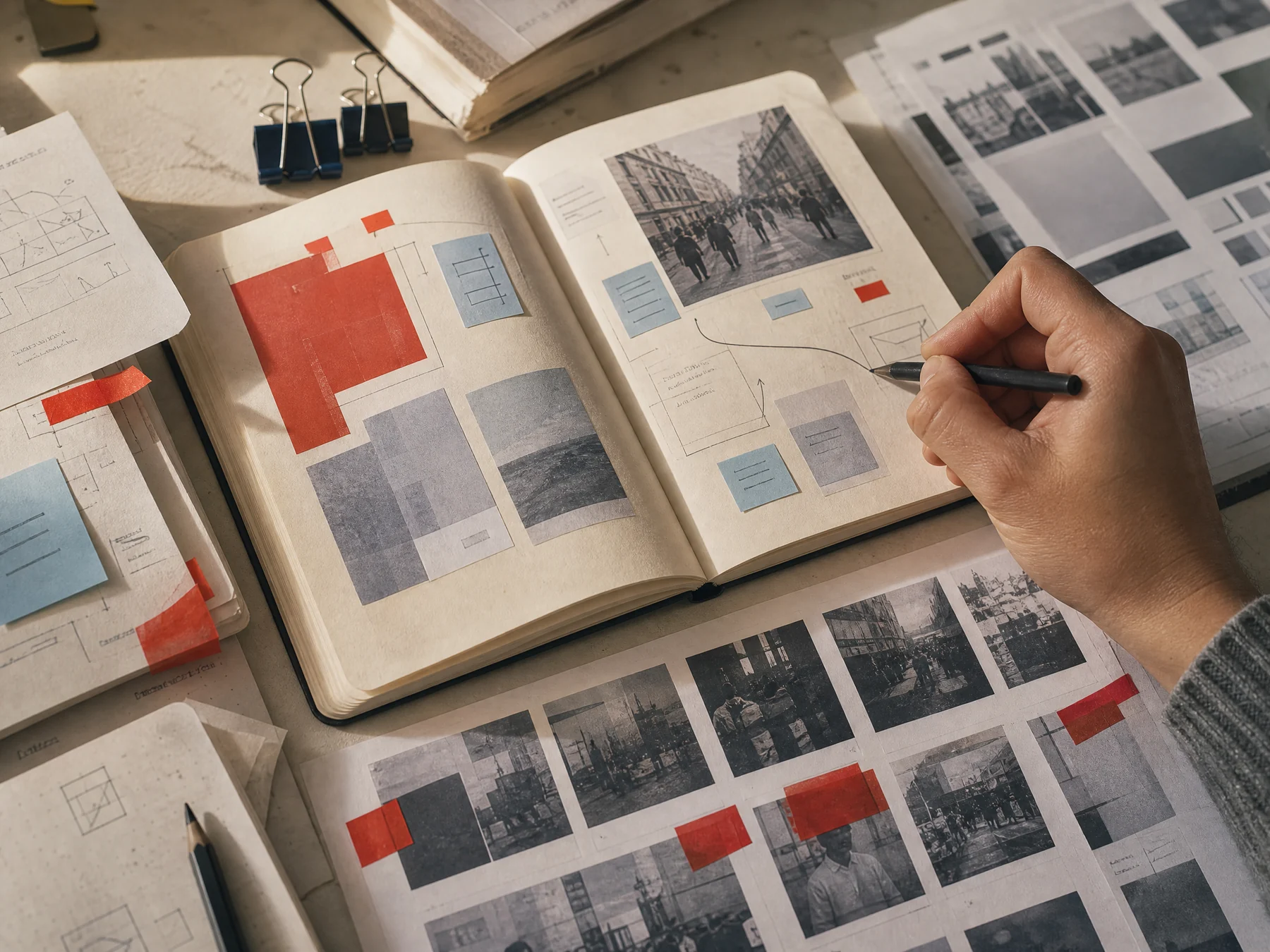 Reading notebook · 08
Reading notes
Ask what the example leaves out.
Search the issue notes or open each response. They describe observation practice, evidence limits and editorial standards.
No note matches that term. Clear the search and try another context.
It records a specific place, task, object and response without immediately assigning motive. Interpretation comes after the observable scene is preserved.
People rarely encounter one brand in isolation. Adjacent signs, interfaces and category expectations shape what becomes visible and credible.
No. A teardown organises an object, condition, response and limitation. It should generate a better next question, not a universal score.
Results stay attached to audience, timing, placement and the strongest competing explanation. The article states what the evidence cannot establish.
Any sponsored relationship would be identified clearly. Payment would not purchase a positive conclusion or remove the editorial limitations of a case.
Yes. Submit a question, context and material you are authorised to share. Submission does not guarantee publication or private consulting.
Contributor desk
Bring the scene, not a polished conclusion.
Share the question, place and evidence you can lawfully provide. The form is an editorial submission and does not create a paid engagement.